
Discover Common Spiders in the U.S.
Spiders are arachnids (order Araneae), not insects. Identify common U.S. spider species, learn which few are dangerous, and explore how they hunt, spin silk and live.
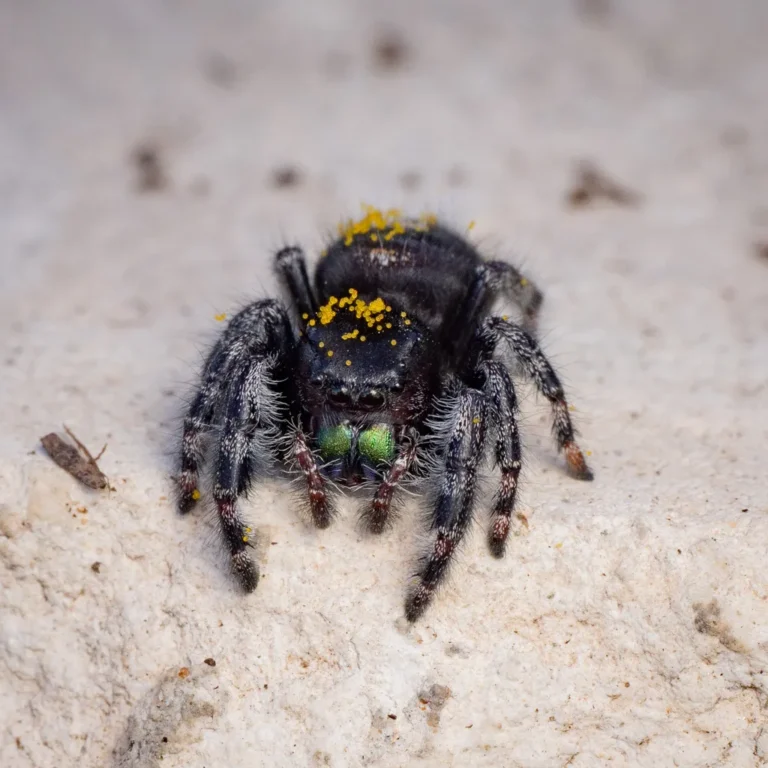
Explore Spider Types
More than 3,700 spider species live in the U.S. Start with six groups you are most likely to see, from ground hunters to orb-web builders, or browse all spider types compared.
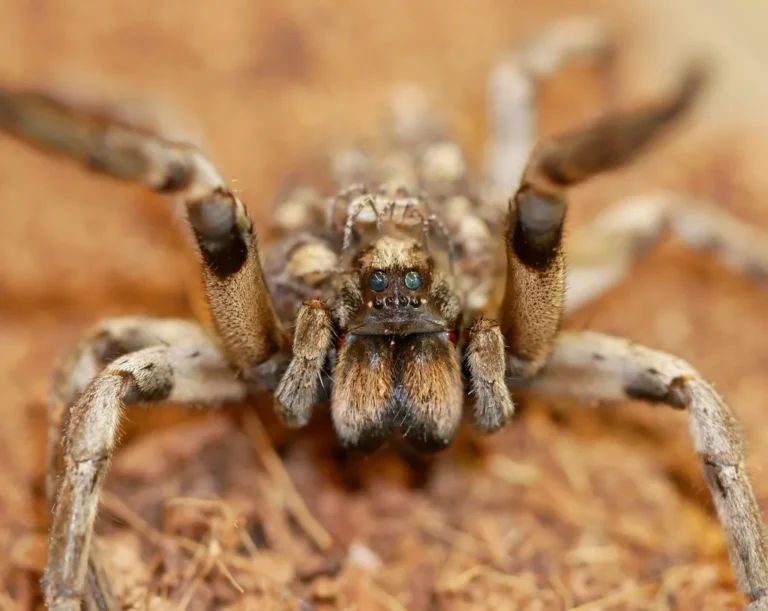
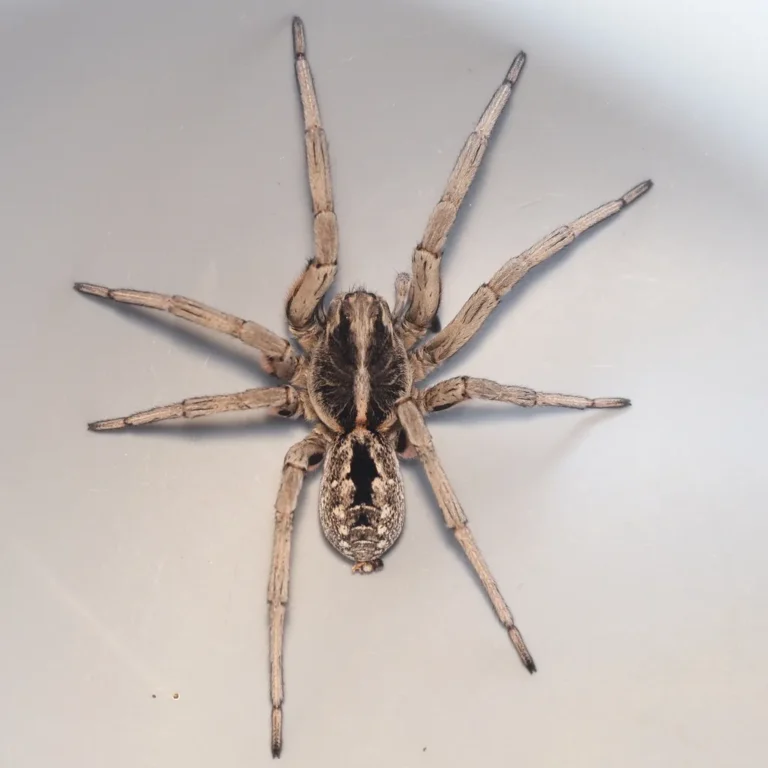
Wolf Spider
Fast, ground-dwelling hunters that chase down prey instead of building webs. Females carry their spiderlings on their backs.
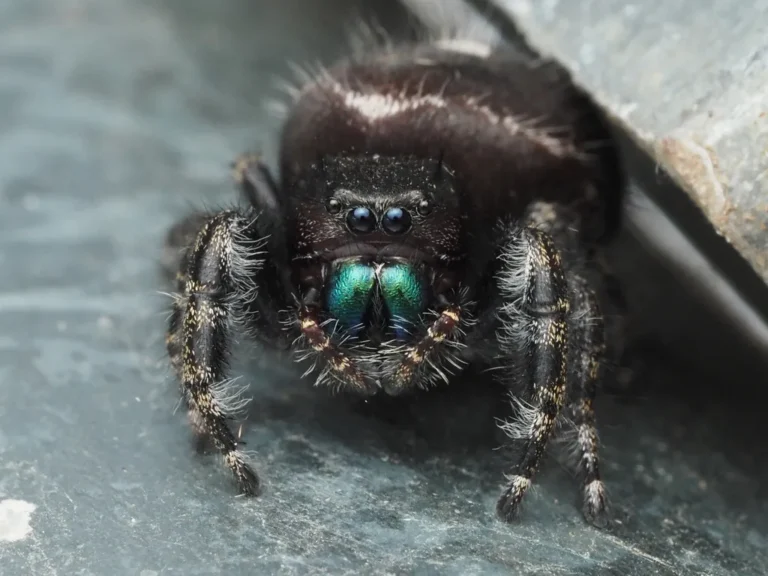
Jumping Spider
Small, curious hunters with excellent eyesight that can leap many times their own body length.
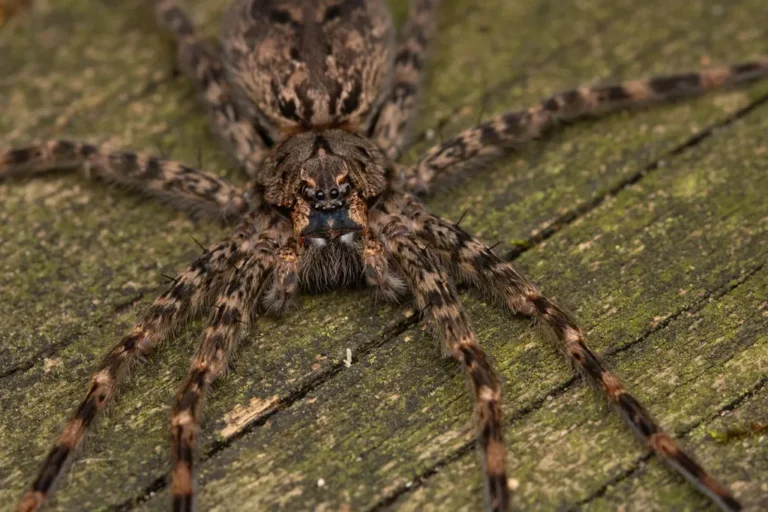
Fishing Spider
Large spiders often found near ponds and streams. Many can rest on and move across the water’s surface.
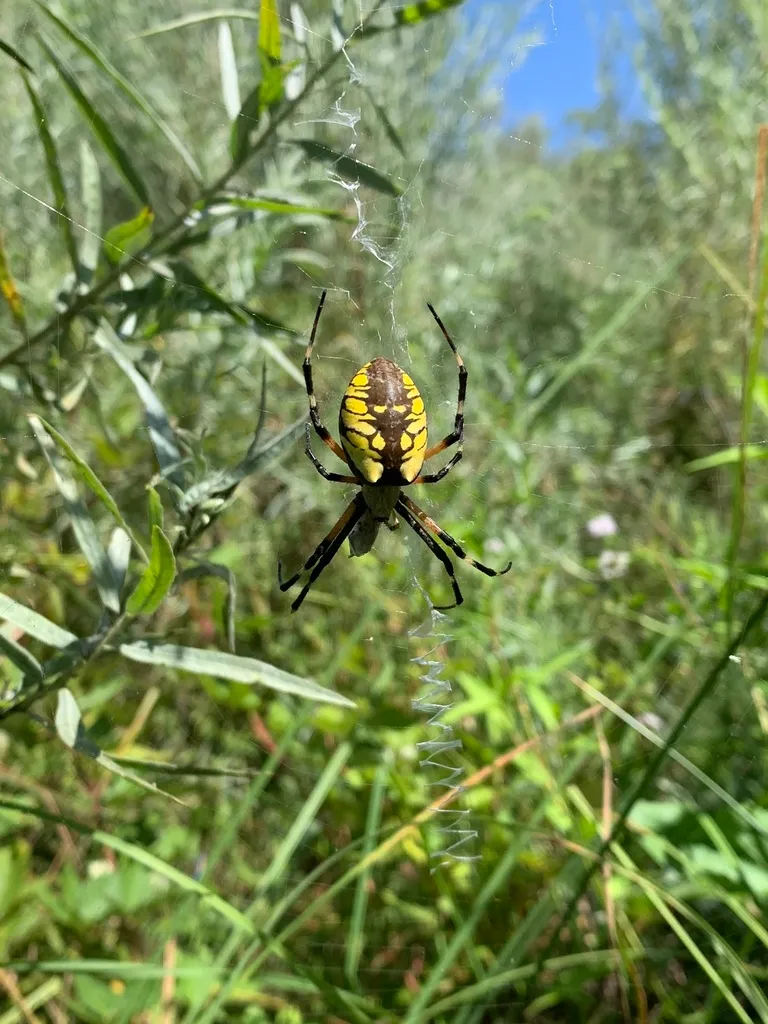
Orb-Weaver Spider
Builders of the classic wheel-shaped web, often noticed in gardens from late summer into fall.
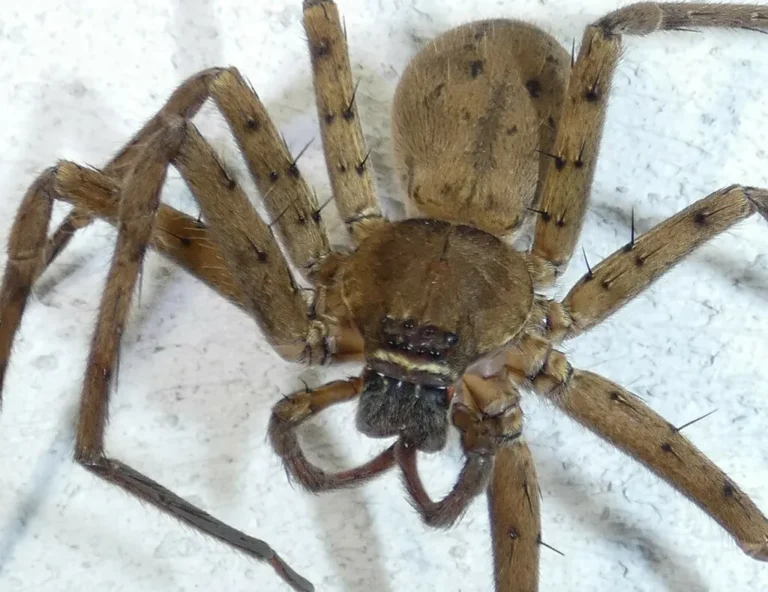
Huntsman Spider
Long-legged, flat-bodied spiders that move quickly, often sideways. In the U.S., they live mainly in warm southern areas.
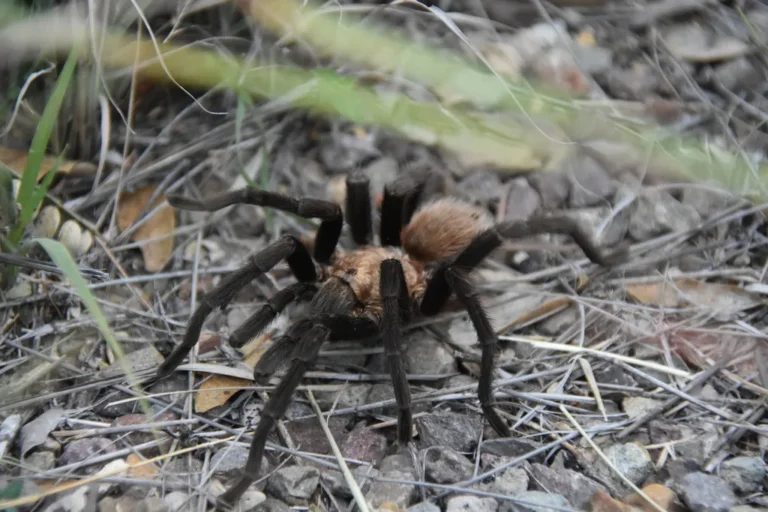
Tarantula
Large, hairy, slow-moving spiders. U.S. species are native to the Southwest and south-central states.
Identify a Spider
Every spider has two body parts, a cephalothorax and an abdomen, plus eight legs and silk-making spinnerets. Size, markings, body shape, eyes and web type then narrow it down.
Not sure where to start? Our spider identification articles walk through real look-alikes.
Size
Compare body length rather than leg span to judge size consistently.
Color & Markings
Look for stripes, spots, bands on the legs, and patterns on the abdomen.
Body Shape
Note the abdomen shape and how the legs are held, from flat and crab-like to long and slender.
Eyes & Webs
Eye arrangement and web type, or no web at all, are among the most useful clues.
Is This Spider Dangerous? A Quick U.S. Check
Probably not. Of the 3,700+ U.S. species, only widow spiders (Latrodectus) and recluse spiders (Loxosceles) are considered medically important.
Spiders are venomous, not poisonous. Venom is injected by a bite; poison harms you only when it is touched or eaten.
Widow spiders (black widow)
Shiny black females with a red hourglass under the round abdomen. They web in woodpiles, sheds, eaves and yard clutter. The venom is a neurotoxin.
Recluse spiders (brown recluse)
Plain tan-brown, six equal eyes in pairs and a dark violin mark on the cephalothorax. They hide in closets, shoes and attics in the South and Midwest.
Often feared, rarely harmful
Wolf, jumping, orb-weaver, huntsman and tarantula spiders scare people, yet for most people their bite hurts less than a bee sting.
Many skin sores blamed on spiders are actually infections, notes the American Academy of Family Physicians. See a doctor for spreading pain, muscle cramps or a growing wound.
Common Questions About U.S. Spiders
How many spider species live in the U.S.?
More than 3,700, according to the Illinois Department of Public Health. Worldwide, the World Spider Catalog lists over 54,000 described species.
What is the most dangerous spider in the U.S.?
Widow spiders and the brown recluse are the only U.S. spiders of real medical concern. Bites are uncommon and rarely life-threatening with medical care.
Are spiders insects?
No. Spiders are arachnids with eight legs and two body parts. Insects have six legs and three body parts. See more in our spider facts.
Sources: Illinois Dept. of Public Health · CDC/NIOSH · AAFP (2022) · Oklahoma State University Extension · World Spider Catalog
Latest Articles
Where Do Huntsman Spiders Live in the U.S.? State-by-State
Huntsman spiders live in Florida, the Gulf Coast, Hawaii and warm parts of California, plus a native desert species out West. See…
How Long Do Orb Weavers Live? Their One-Year Life Cycle
Most orb weavers live about one year; adults die in fall while egg sacs carry the next generation through winter. See monthly…
What Do Jumping Spiders Eat? Wild Prey, Nectar and Pets
Jumping spiders eat flies, true bugs, beetles, caterpillars and other spiders; many sip nectar. See U.S. field data, rare frog meals and…
What Do Wolf Spiders Eat? Prey, Hunting and Pest Control
Wolf spiders eat grasshoppers, crickets, beetles, roaches and other spiders. See U.S. field diet data, prey they refuse and how much pest…
Six-Spotted Fishing Spider: How Dolomedes triton Hunts on Water
The six-spotted fishing spider walks on water, dives for up to 45 minutes and catches tadpoles and tiny fish. Learn how to…
What Do Tarantulas Eat? Wild U.S. Diet, Rare Prey and Pet Care
Tarantulas eat mostly beetles, crickets and grasshoppers, sometimes lizards or mice. See how they hunt without a web, the toad they spare,…
Photo credits: Jumping spider (hero): Justin Williams, CC BY 4.0 (iNaturalist) · Wolf spider: Toby, CC BY 4.0 (iNaturalist) · Jumping spider: Zygy, CC0 (iNaturalist) · Fishing spider: daksu, CC BY 4.0 (iNaturalist) · Orb-weaver: Joshua Zupan, CC0 (iNaturalist) · Huntsman spider: kcthetc1, CC0 (iNaturalist) · Tarantula: Loren Cassin Sackett, CC BY 4.0 (iNaturalist) · Wolf spider (top view): Russell Pfau, CC BY 4.0 (iNaturalist).